
During the COVID-19 pandemic, people have become accustomed to using their smartphone cameras to scan small black-and-white square barcodes, allowing them instantly to do everything from access restaurant menus to pay bills.
Scanning a Quick Response, or QR code, is convenient and easy. And it is contactless, which can make people feel safer in public places such as restaurants, many of which substituted the codes for paper menus.
But cybersecurity experts say QR codes also created new opportunities for fraudsters, who can tamper with them and direct victims to malicious websites to steal their personal and financial information.
“During the pandemic, they looked at how people were engaging and ways to manipulate that,” said Angel Grant, who tracks QR code fraud as vice president of security at F5, a Seattle-based app security company. “Cybercriminals always look for disruption to cause disruption.”
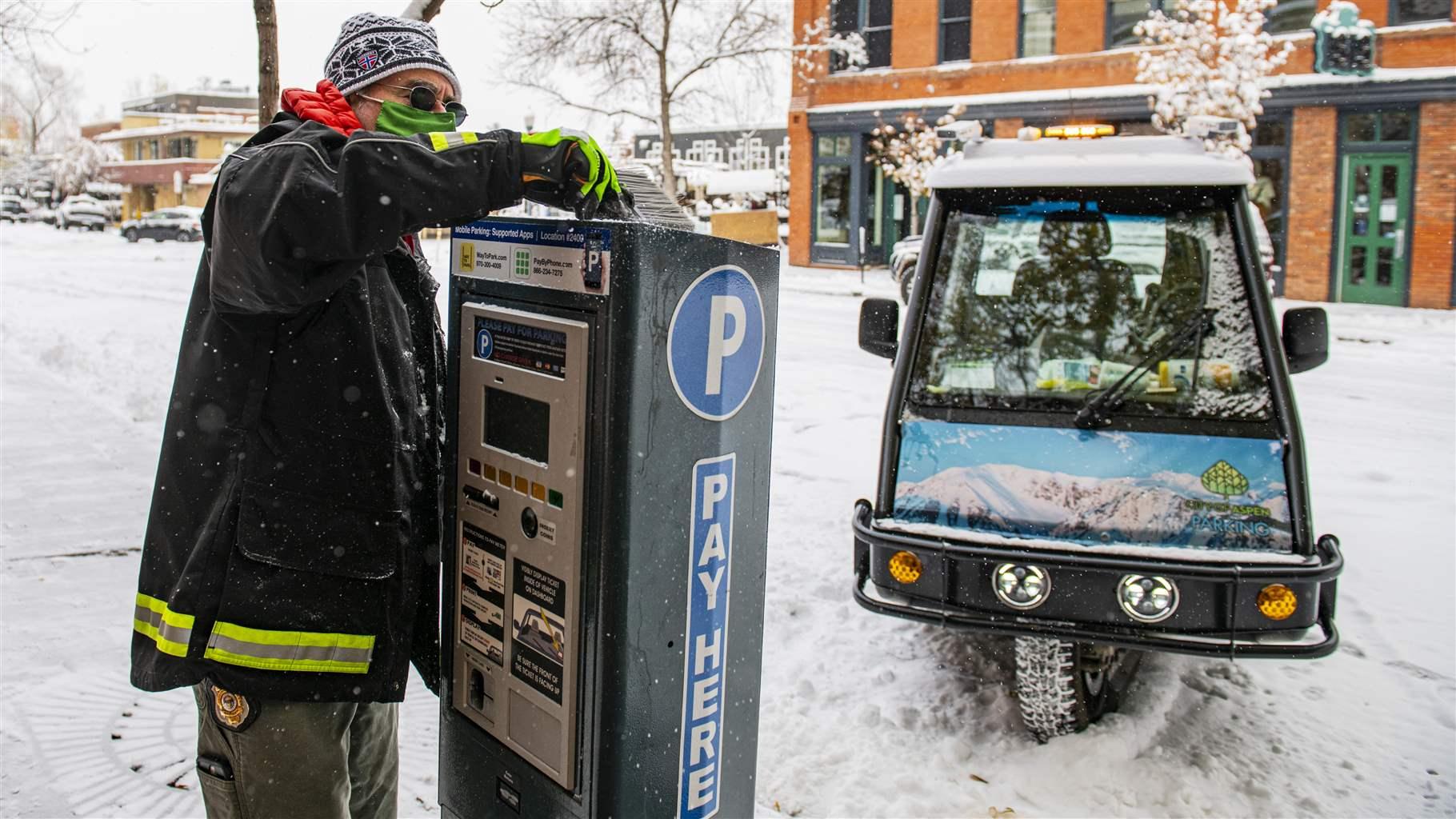
One of the newest QR code scams has targeted drivers at pay-to-park kiosks in several large Texas cities.
The scammers slapped stickers with fake QR codes on the pay stations. Drivers who scanned them were directed to a website that asked them to enter their credit card or bank account information.
Just this month, another fake QR code scam…


